Navigating the Diverse World of Factory Carpets in 2026
The world of factory carpets has witnessed substantial transformation over the past decade. As we enter 2026, various factors including advancements in technology, increasing environmental awareness, and evolving consumer preferences have shaped the industry. This article delves into the key trends and developments that are defining the diverse landscape of factory carpets.
The Rise of Sustainable Materials
In 2026, sustainability is not merely a buzzword but a core principle guiding the production of factory carpets. Manufacturers are increasingly opting for materials that are not only durable but also environmentally friendly. Recycled fibres, such as PET from plastic bottles, are being utilised extensively, reducing the carbon footprint associated with carpet production. Furthermore, natural fibres like wool and jute are gaining popularity due to their biodegradable properties, appealing to eco-conscious consumers who prioritise sustainability in their purchasing decisions.
Technological Advancements in Manufacturing
Technology continues to play a pivotal role in revolutionising the production of factory carpets. Innovations in manufacturing processes, such as automation and digital printing, have enhanced efficiency and design possibilities. In 2026, digital printing technology allows for intricate patterns and custom designs to be created with ease, enabling businesses to showcase their unique brand identity through their flooring choices. This shift towards personalised flooring solutions is further supported by advancements in artificial intelligence, which help manufacturers predict trends and optimise production lines.
People Also Look For:
- CXTAI Vintage Boho 60x240cm (2x8ft) Long Carpet Runners for Hallways Kitchen Laundry Entryway Non-Slip Machine Washable - Brown Da...
- Sparkles Partyware Red Carpet Runner - Pack of 1-15ft Red Fabric Runner for Indoor and Outdoor Use - Perfect Decoration for Hollyw...
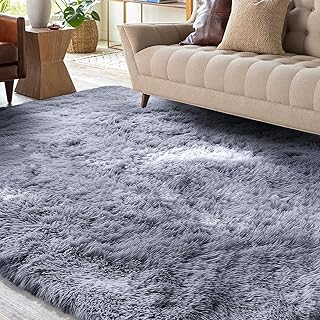
- SOANNY Living Room Rugs, Soft Fluffy Area Carpet for Bedroom Dorm Nursery Bedside Kids Room Lounge Office, Luxury Tie-dyed Shag Wa...
- Sour Lemon Rugs Living Room 60x120cm, Grey Runner rug for Bedroom, Washable Anti Slip Fluffy Rug Shaggy Soft Modern Floor Carpets ...
- the carpet Relax Rug, Modern, Fluffy, Short Pile, Non-Slip Underside, Washable up to 30°C, Super-Soft, Fur Look, Green, 160 x 220...
Design Trends and Aesthetic Choices
As businesses seek to create engaging environments, the aesthetic appeal of factory carpets has become increasingly important. In 2026, there is a noticeable shift towards bold colours and geometric patterns, reflecting a desire for individuality and creativity in commercial spaces. Manufacturers are responding to this trend by offering a wider array of designs that cater to various sectors, from corporate offices to retail spaces. The emphasis on creating a visually stimulating atmosphere is also accompanied by a focus on comfort and functionality, ensuring that carpets not only look good but also perform well in high-traffic areas.
Health and Wellbeing Considerations
In recent years, there has been a growing recognition of the impact that flooring can have on health and wellbeing. In 2026, factory carpets are being designed with this in mind, incorporating features that enhance indoor air quality and reduce allergens. Manufacturers are using low VOC (volatile organic compounds) materials and treatments that inhibit the growth of bacteria and mould. This focus on health-conscious flooring solutions reflects a broader trend towards creating healthier work environments, where employee wellbeing is prioritised alongside productivity.
Customisation and Flexibility
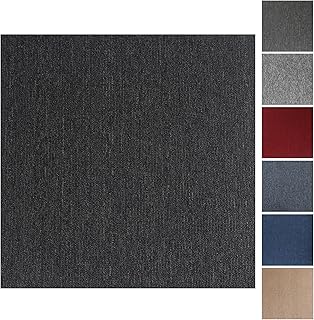
The demand for customisation has surged in 2026, as businesses seek to create unique spaces that reflect their brand values. Factory carpets can now be tailored to meet specific requirements, from size and shape to colour and texture. This flexibility not only allows companies to express their identity but also facilitates the creation of multifunctional spaces. Modular carpet tiles, for instance, enable easy installation and replacement, making it simpler for businesses to adapt to changing needs without overhauling their entire flooring system.
The Global Market Landscape
The factory carpet industry in 2026 is characterised by a complex global market. As manufacturers strive to meet diverse consumer demands, they are increasingly looking beyond local markets to source materials and production capabilities. Global supply chains are becoming more integrated, allowing for a broader range of products at competitive prices. However, this interconnectedness also poses challenges, such as navigating different regulations and standards across regions. Manufacturers must remain agile and informed to successfully operate in this dynamic environment.
Future Directions
As we look ahead, the factory carpet industry is poised for further evolution. Innovations in smart technologies, such as carpets embedded with sensors that monitor foot traffic and wear, are on the horizon. Such advancements will not only enhance functionality but also provide valuable data for businesses looking to optimise their spaces. Additionally, as consumer preferences continue to shift towards sustainability and wellness, manufacturers will need to remain responsive to these trends, ensuring that their products align with the values of the modern consumer.